
Halitosis, commonly known as bad breath, is a condition that affects millions of people worldwide. While it might seem like a minor issue, halitosis can have significant social, emotional, and psychological impacts on those who suffer from it. In this blog post, we’ll delve into the causes of halitosis, its associated problems, the stigma surrounding it, and explore effective natural remedies to combat this often embarrassing condition.
What is Halitosis?
Halitosis refers to the persistent unpleasant odor emanating from the mouth. While occasional bad breath (such as morning breath or after eating certain foods) is normal, chronic halitosis indicates an ongoing issue that doesn’t resolve even with regular oral hygiene practices like brushing, flossing, or using mouthwash.
Research suggests that approximately 50% of adults experience halitosis at some point in their lives. It can affect people of all ages and genders, and it often stems from multiple factors—ranging from poor oral hygiene to systemic health issues. Halitosis isn’t just a cosmetic concern; it can have profound social, emotional, and psychological implications for those who suffer from it.
Causes of Halitosis
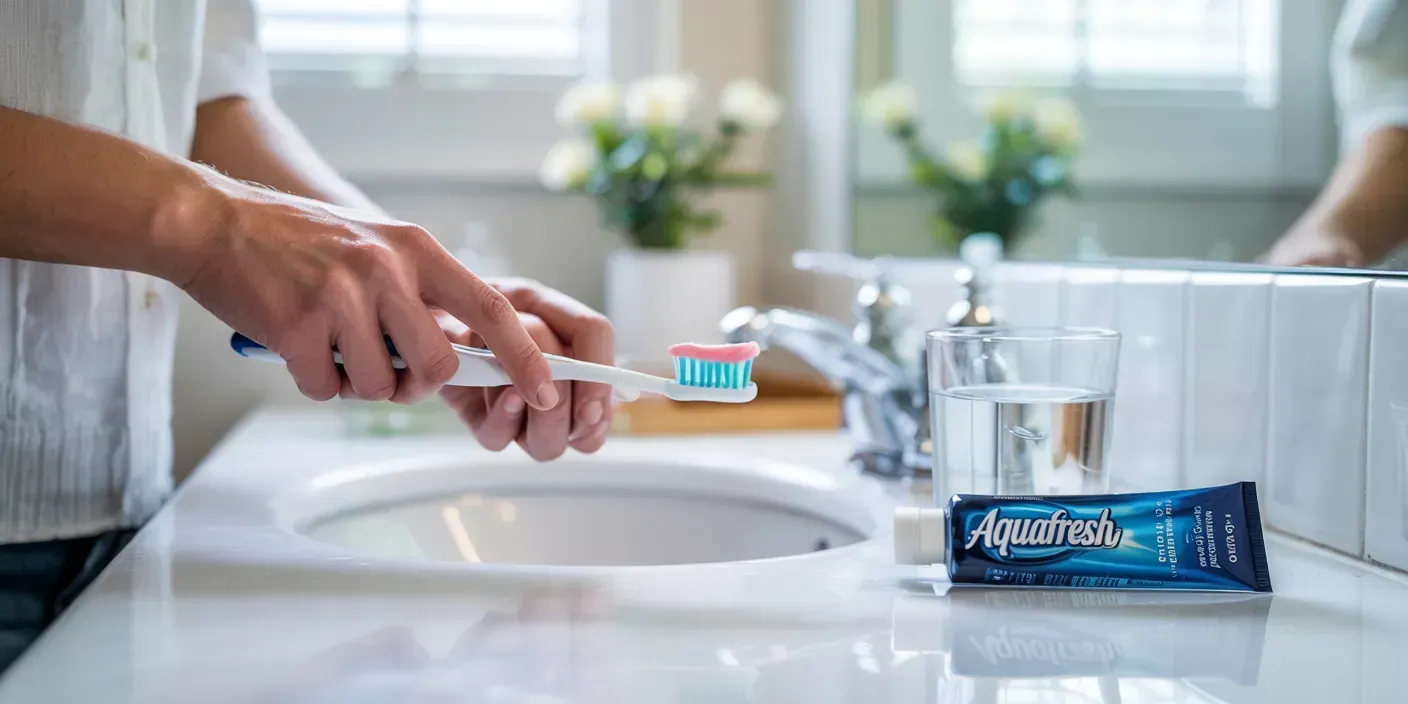
The causes of halitosis are diverse and multifaceted. Understanding the root cause is essential for effective treatment. Here’s a detailed breakdown of the primary contributors:
1. Poor Oral Hygiene
Poor oral hygiene is one of the most common causes of halitosis. When food particles remain trapped between teeth, they begin to decompose, releasing volatile sulfur compounds (VSCs), which are responsible for the foul smell. Plaque—a sticky film of bacteria that forms on teeth—also contributes to bad breath if not removed regularly through brushing and flossing. Additionally, neglecting to clean the tongue allows bacteria to accumulate, particularly in the tiny grooves and crevices, leading to persistent odors.
Have you tried any of these natural remedies for Oral Hygiene?
2. Dry Mouth (Xerostomia)
Saliva plays a critical role in maintaining oral health by washing away food debris, neutralizing acids produced by bacteria, and preventing dryness. A condition called xerostomia, or dry mouth, occurs when saliva production decreases. This can happen due to dehydration, certain medications (like antihistamines, antidepressants, and diuretics), smoking, or medical conditions such as Sjögren’s syndrome. Without adequate saliva, bacteria thrive, leading to halitosis.
3. Dietary Choices
Certain foods and beverages are notorious for causing bad breath. For example:
Garlic and Onions : These contain sulfur compounds that enter the bloodstream during digestion and are expelled through the lungs, giving exhaled air an unpleasant odor.
Coffee : The caffeine in coffee can reduce saliva production, while its strong aroma lingers in the mouth.
Alcohol : Alcohol dries out the mouth and promotes bacterial growth, making it a significant contributor to halitosis.
Crash diets or fasting can also lead to bad breath because the body breaks down fat stores for energy, producing ketones, which have a distinct, unpleasant smell.
4. Tobacco Use
Smoking and chewing tobacco not only stain teeth but also create an environment conducive to bacterial growth. Nicotine reduces saliva production, leading to dry mouth, and the chemicals in tobacco products leave a lingering odor. Smokers are also more prone to gum disease, another major cause of halitosis.
5. Oral Health Issues
Several oral health problems contribute to bad breath:
Gum Disease (Gingivitis and Periodontitis) : These inflammatory conditions result from plaque buildup along the gumline, creating pockets where bacteria multiply and release foul-smelling gases. Personalized health insights from your DNA. Get reports on ancestry, traits, wellness, and more—all from a simple saliva sample. Order now.
Cavities and Tooth Decay : Bacteria thrive in decayed areas of the teeth, producing VSCs that cause bad breath.
Oral Infections : Abscesses, ulcers, or surgical wounds in the mouth can harbor bacteria and emit unpleasant odors.
Dentures or Dental Appliances : If not cleaned properly, dentures, braces, or retainers can trap food particles and bacteria, contributing to halitosis.
6. Underlying Medical Conditions
Sometimes, halitosis is a symptom of an underlying medical condition. Examples include:
Sinus Infections : Postnasal drip caused by sinusitis allows mucus to accumulate at the back of the throat, providing a breeding ground for bacteria. Down syndrome is a genetic disorder caused when abnormal cell division results in extra genetic material from chromosome 21. Learn about symptoms, diagnosis, and support here.
Respiratory Tract Infections : Bronchitis, pneumonia, and tonsillitis can produce bad breath due to increased mucus and bacterial activity.
Gastrointestinal Disorders : Acid reflux (GERD) pushes stomach acids into the esophagus, leaving a sour taste and odor in the mouth. Other digestive issues, like H. pylori infections, can also cause halitosis.
Liver and Kidney Disease : The liver and kidneys filter toxins from the body. When these organs malfunction, waste products build up in the bloodstream and are expelled through the breath, resulting in a distinctive ammonia-like smell.
Diabetes : Diabetic ketoacidosis, a complication of uncontrolled diabetes, produces fruity-smelling breath due to elevated ketone levels.
Take care of your oral health from Today, it has never been so easier.
7. Postnasal Drip
Postnasal drip occurs when excess mucus drips from the nasal passages into the throat. This creates a moist environment ideal for bacterial growth, leading to bad breath. Allergies, colds, and chronic sinusitis are common triggers of postnasal drip.
Problems Associated with Halitosis
Halitosis is more than just a physical nuisance—it has far-reaching effects on various aspects of life:
1. Social Isolation
Bad breath can make individuals feel self-conscious and anxious about interacting with others. They may avoid close conversations, public speaking, or intimate relationships, fearing rejection or embarrassment. Over time, this avoidance behavior can lead to social withdrawal and loneliness.
2. Professional Setbacks
In professional settings, bad breath can hinder communication and collaboration. Colleagues or clients may unconsciously distance themselves from someone with noticeable odors, potentially impacting teamwork, networking, and career advancement. For jobs requiring face-to-face interaction, such as sales, customer service, or teaching, halitosis can be particularly detrimental.
3. Emotional Distress
Living with chronic halitosis can take a severe toll on mental health. Constant worry about how one smells can lead to anxiety, depression, and low self-esteem. Many sufferers describe feeling "trapped" in their own bodies, unable to escape the judgment or ridicule they perceive from others.
4. Missed Diagnosis of Serious Conditions
If halitosis stems from an underlying medical condition, ignoring it could delay proper diagnosis and treatment. For instance, persistent fruity breath might indicate undiagnosed diabetes, while a fishy odor could signal kidney failure. Recognizing halitosis as a potential warning sign encourages timely medical intervention.
The Stigma Surrounding Halitosis
Halitosis carries a heavy social stigma, largely because it’s often associated with poor personal hygiene. Society tends to view bad breath as a reflection of laziness or neglect, which isn’t always accurate. This misconception can make individuals hesitant to seek help, fearing embarrassment or judgment.
Even when addressed, conversations about halitosis are often awkward and uncomfortable. Friends, family members, or colleagues may tiptoe around the topic, leaving the person unaware of their condition. Alternatively, blunt comments can come across as hurtful or shaming, further exacerbating the problem.
Breaking this cycle requires empathy, understanding, and open dialogue. By treating halitosis as a legitimate health concern rather than a character flaw, we can create a more supportive environment for those struggling with it.
Natural Remedies for Halitosis

While over-the-counter products like mouthwashes and breath sprays offer temporary relief, addressing the root cause of halitosis is key to long-term improvement. Here are some natural remedies that target the underlying issues:
1. Stay Hydrated
Dehydration is a leading cause of dry mouth, which promotes bacterial growth and bad breath. Drinking plenty of water throughout the day helps maintain saliva production, flushes out toxins, and keeps the mouth clean. Herbal teas, such as peppermint or chamomile, can also hydrate while adding a pleasant aroma.
2. Practice Good Oral Hygiene
Consistent oral care is the foundation of fresh breath. Follow these steps:
Brush your teeth twice daily with fluoride toothpaste, focusing on all surfaces.
Floss at least once a day to remove trapped food particles.
Clean your tongue with a scraper or brush to eliminate bacteria hiding in its grooves.
Replace your toothbrush every three months or sooner if bristles become frayed.
3. Use Herbal Mouth Rinses
Store-bought mouthwashes often contain alcohol, which can dry out the mouth and worsen halitosis. Instead, try natural alternatives:
Mix a teaspoon of baking soda with water for a quick rinse that neutralizes odors.
Add a drop of peppermint or tea tree oil to water for antibacterial benefits.
Brew green tea, let it cool, and use it as a rinse to inhibit bacterial growth.
4. Chew Sugar-Free Gum or Mints
Chewing sugar-free gum stimulates saliva flow, combating dry mouth and masking odors temporarily. Look for options containing xylitol, a natural sweetener that inhibits bacterial growth.
5. Eat Breath-Friendly Foods
Certain foods naturally combat bad breath:
Crunchy Fruits and Vegetables : Apples, carrots, and celery act as natural “toothbrushes,” scrubbing away plaque and bacteria.
Herbs : Parsley, mint, cilantro, and basil contain chlorophyll, which neutralizes odors.
Probiotic-Rich Foods : Yogurt, kefir, sauerkraut, and kimchi promote a healthy balance of gut bacteria, reducing the risk of digestive-related halitosis.
6. Probiotics
Oral and gut microbiomes play a crucial role in maintaining fresh breath. Consuming probiotic-rich foods or supplements introduces beneficial bacteria that crowd out harmful ones, improving both oral and overall health.
7. Green Tea
Green tea contains polyphenols, powerful antioxidants that suppress the growth of odor-causing bacteria. Drinking a cup after meals not only freshens breath but also provides numerous other health benefits.
8. Oil Pulling
Oil pulling involves swishing coconut oil, sesame oil, or olive oil in your mouth for 15–20 minutes. This ancient Ayurvedic practice draws out toxins, reduces plaque buildup, and eliminates bacteria. Spit out the oil afterward and rinse thoroughly with water.
9. Address Dietary Habits
Limit consumption of pungent foods like garlic, onions, and spicy dishes, especially before social events. Opt for fiber-rich alternatives like leafy greens, whole grains, and lean proteins, which improve digestion and oral health.
10. Manage Underlying Health Issues
If home remedies don’t work, consult a healthcare professional to rule out any systemic conditions contributing to halitosis. Treating the root cause will yield long-term results.
Conclusion
Halitosis is a complex issue with myriad causes and consequences. From poor oral hygiene to serious medical conditions, its origins vary widely, and so do its impacts on social, emotional, and professional well-being. However, by adopting natural remedies, practicing good oral care, and seeking professional advice when needed, you can overcome halitosis and regain confidence in your interactions.
Remember, bad breath happens to everyone occasionally—but if it becomes chronic, don’t hesitate to address it head-on. With the right approach, fresh breath and peace of mind are within reach. Let’s break the stigma and create a more compassionate environment for those dealing with halitosis.
By understanding and addressing halitosis holistically, we can foster healthier mouths, happier lives, and stronger connections with those around us.
Your source of insights and inspiration for the creation of digital products.


Keep up with all the latest!
Get our curated content delivered straight to your inbox.
Created with ©systeme.io