
In the fast-evolving digital landscape, staying ahead in small business marketing requires understanding and adapting to the latest trends. As we step into 2025, several transformative strategies are emerging that promise to redefine how businesses engage with their audiences. From leveraging artificial intelligence to embracing sustainability, this comprehensive guide explores actionable tips to help small businesses thrive.
Why Marketing Trends Matter for Small Businesses
Marketing trends are more than just buzzwords—they reflect changing consumer behaviors, technological advancements, and industry dynamics. For small businesses, staying updated is crucial to:
Enhance customer engagement
Build brand loyalty
Maintain a competitive edge
1. AI-Powered Marketing Strategies
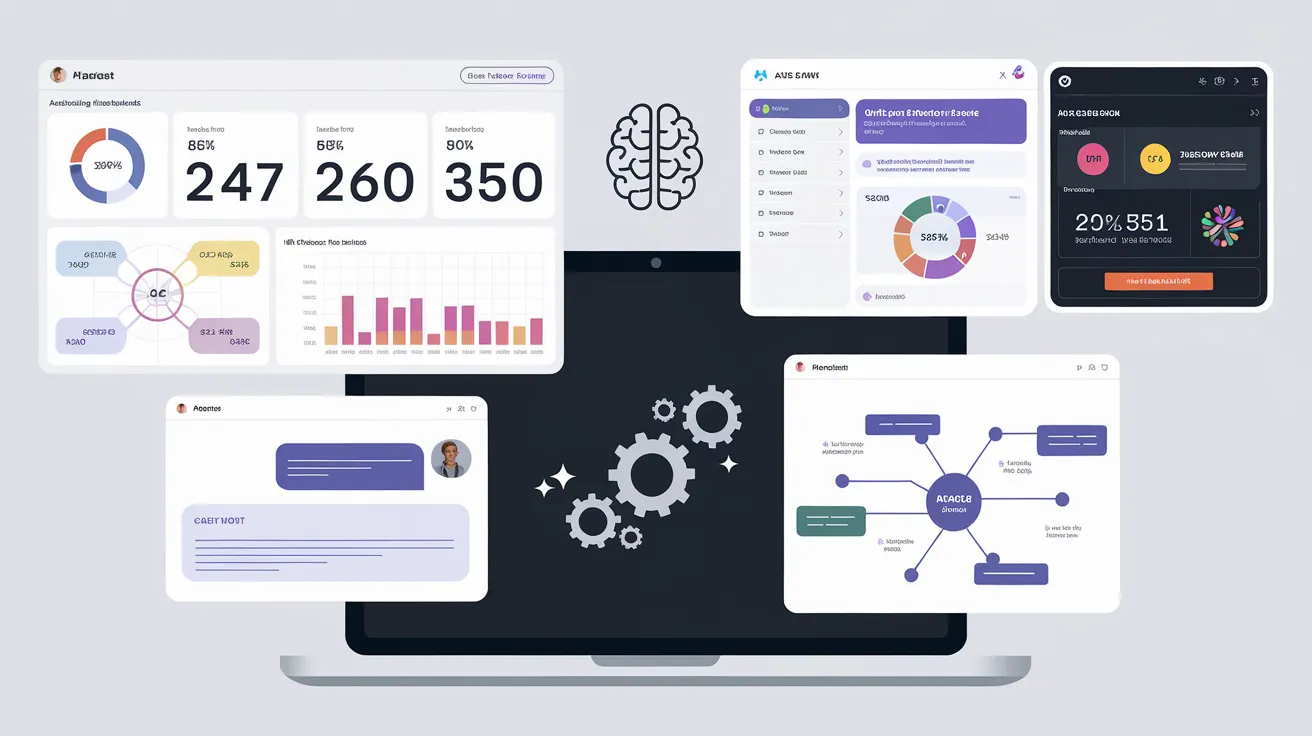
The Role of AI in Marketing
Artificial Intelligence (AI) is no longer a futuristic concept; it’s a powerful tool reshaping the marketing world. AI offers small businesses opportunities to:
Automate repetitive tasks
Provide personalized customer experiences
Analyze data for actionable insights
How to Leverage AI in 2025
AI-Power Chatbots: Implement chatbots for 24/7 customer support. Tools like ChatGPT can simulate human-like conversations, enhancing user satisfaction.
Content Creation: Use AI tools such as Jasper or Writesonic to generate engaging blog posts, social media captions, and email campaigns.
Predictive Analytics: Leverage platforms like Salesforce Einstein to forecast trends and customer preferences.
Benefits for Small Businesses
Saves time and resources
Improves customer retention
Enhances decision-making
2. Sustainability as a Marketing Strategy
Why Sustainability Matters
Sustainability isn’t just a corporate trend; it’s becoming a consumer demand. Over 70% of consumers prefer eco-friendly brands, making sustainability a strategic marketing advantage for small businesses.
Implementing Sustainable Marketing
Eco-FriendlyPackaging: Switch to biodegradable or recyclable materials.
Green Content: Highlight your sustainability initiatives in marketing campaigns, such as reducing carbon footprints or sourcing ethically.
Community Involvement: Partner with local environmental organizations to showcase your commitment to the planet.
Real-Life Example
A small bakery could switch to compostable packaging and market itself as an eco-friendly alternative to competitors.
Key Takeaways
Builds trust with environmentally-conscious customers
Differentiates your brand in competitive markets
Supports long-term profitability
3. Voice and Visual Search Optimization
Understanding Voice and Visual Search
With the rise of smart devices and visual platforms, voice and visual searches are revolutionizing how consumers find information. By 2025, it’s estimated that 50% of online searches will be voice or image-based.
Optimizing for Voice Search
Conversational Keywords: Adapt your website content to reflect natural, conversational language.
Featured Snippets: Aim to appear in position zero by answering common questions concisely.
Mobile Optimization: Ensure your website is mobile-friendly, as most voice searches happen on smartphones.
Optimizing for Visual Search
High-Quality Images: Use clear, well-lit images with descriptive alt text.
Rich Pins: For platforms like Pinterest, incorporate metadata to make your visuals shoppable.
Product Recognition Tools: Utilize apps like Google Lens to ensure your products are discoverable.
Benefits of Voice and Visual Search
Attracts tech-savvy consumers
Enhances user experience
Increases website traffic and conversions
4. Hyper-Personalization in Customer Experiences
What is Hyper-Personalization?
Hyper-personalization uses AI and data analytics to deliver tailored experiences to customers. It goes beyond using a customer’s name in emails and focuses on:
Understanding preferences
Predicting needs
Offering personalized recommendations
How Small Businesses Can Apply It
EmailMarketing: Segment your audience to send personalized offers and content.
E-Commerce: Use tools like Shopify’s AI to recommend products based on browsing history.
Social Media Ads: Create targeted campaigns using platforms like Facebook Ads Manager.
Why It Works
Increases customer satisfaction
Boosts sales and ROI
Builds deeper customer relationships
5. Interactive Content and Gamification

What is Interactive Content?
Interactive content involves engaging formats such as quizzes, polls, and augmented reality (AR) experiences. Gamification incorporates game-like elements into marketing, such as rewards and badges.
Trending Interactive Content for 2025
Quizzes: Create fun and educational quizzes related to your products or industry.
AR Shopping Experiences: Allow customers to virtually try on products.
Reward Programs: Offer points or discounts for completing certain actions, such as referrals.
Benefits
Enhances user engagement
Encourages social sharing
Drives higher conversions
6. Influencer Partnerships and Micro-Influencers
The Rise of Micro-Influencers
Micro-influencers (1,000-100,000 followers) have higher engagement rates and authenticity, making them ideal for small business partnerships.
How to Collaborate
ProductReviews: Send free samples in exchange for honest reviews.
Giveaways: Partner with influencers to host contests.
Story Takeovers: Allow influencers to share content directly from your brand’s account.
Benefits
Expands reach to niche audiences
Builds trust through authentic endorsements
Cost-effective compared to celebrity influencers
7. Short-Form Video Content
Why Short-Form Video is Effective
With platforms like TikTok, Instagram Reels, and YouTube Shorts, short-form videos dominate social media. These videos are perfect for showcasing:
Product tutorials
Behind-the-scenes content
Customer testimonials
Tips for Creating Engaging Videos
Focuson Storytelling: Share relatable stories that resonate with your audience.
Add Captions: Ensure accessibility and engagement by including captions.
Call-to-Action: Encourage viewers to follow, share, or visit your website.
8. Local SEO and Community Building
Why Local SEO Matters
Local SEO helps small businesses attract nearby customers. With tools like Google My Business, optimizing for local searches is easier than ever.
How to Enhance Local SEO
Claim Your Google My Business Profile: Ensure accurate details like hours, address, and contact information.
Customer Reviews: Encourage satisfied customers to leave positive reviews.
Localized Content: Create blogs or videos about community events or regional interests.
Community Building Tips
Host local events, such as workshops or meetups.
Collaborate with other local businesses for cross-promotions.
Share user-generated content to foster a sense of belonging.
Conclusion: Embracing Change in 2025
The marketing trends of 2025 emphasize personalization, technology, and authenticity. By integrating AI-powered tools, prioritizing sustainability, and leveraging emerging platforms, small businesses can connect with their audiences like never before. Start implementing these strategies today to future-proof your business and stay ahead in the competitive landscape.
Your source of insights and inspiration for the creation of digital products.


Keep up with all the latest!
Get our curated content delivered straight to your inbox.
Created with ©systeme.io